
Heel and arch pain
A gait-based prescription can help target painful loading in selected heel and arch pain cases.

Custom orthotics are only prescribed after functional 3D gait assessment, because static assessment alone is not enough to understand how your foot and lower limb are working.
A static foot assessment is not enough to prescribe high-quality custom orthotics. We use functional 3D gait assessment to understand how your foot and lower limb move during walking or running, then prescribe custom orthotics only where clinically required.
A gait-based prescription can help target painful loading in selected heel and arch pain cases.
Orthotics may be prescribed to redistribute pressure where gait assessment shows forefoot loading is part of the problem.
Activity-related pain needs movement, footwear, strength and support considered together.
Every custom orthotic prescription starts with understanding how you move. Static foot posture can be useful background information, but it does not show how your foot loads during walking or running.
%20(1).avif)
The process starts with an initial orthotic assessment, followed by functional 3D gait assessment. Custom orthotics are then prescribed only where clinically required.
Initial orthotic assessment to review symptoms, footwear and treatment goals.
Functional 3D gait assessment to see how your foot and lower limb move.
Custom orthotic prescribed where clinically required.
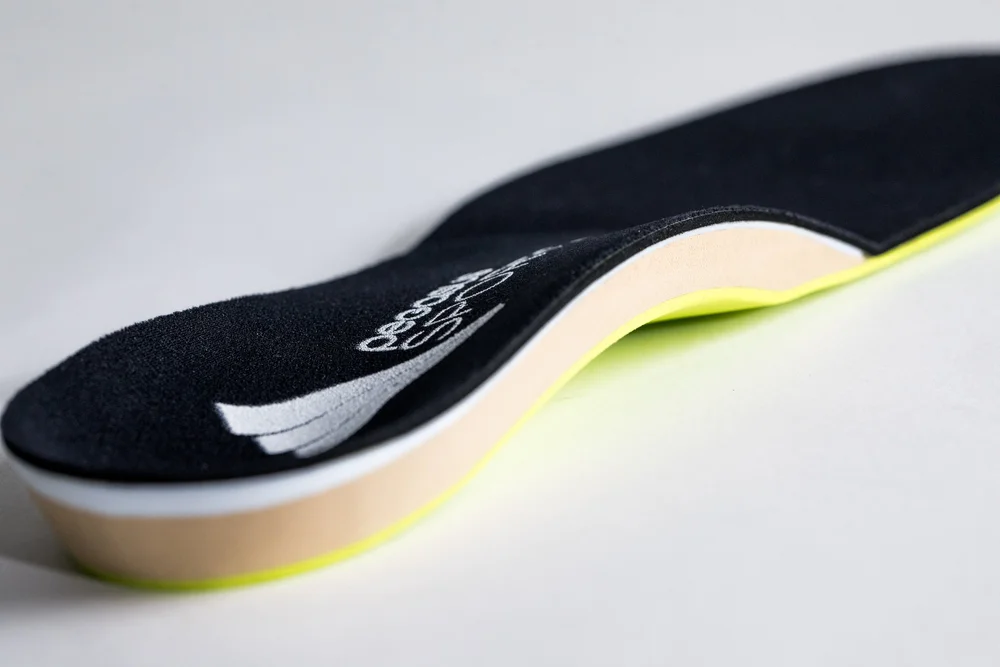
3D scan taken, then the orthotic is produced by the lab.

A functional 3D gait assessment is central to the prescription process. It helps us understand how your foot loads, how your lower limb moves and whether an orthotic is likely to add value.
Custom orthotics are prescribed only after functional 3D gait assessment. Some patients may be better suited to a heel pain assessment or a wider 3D gait assessment pathway first.
For patients considering custom orthotics or needing review of existing orthotics.
For pain under the heel, first-step morning pain or suspected plantar fasciitis.
For persistent, long-term or activity-related symptoms where movement needs deeper review.
No. Custom orthotics are prescribed only where clinically required after functional 3D gait assessment. Some problems are better managed with footwear advice, rehabilitation or another treatment pathway.
Yes. Bring your existing orthotics and the shoes you commonly use them in. We can assess comfort, fit and whether they still match your current symptoms, footwear and gait findings.
Not usually on their own. Orthotics are a tool to help change loading or improve comfort. Long-term improvement often also involves footwear, strength, mobility and activity advice.
They can be useful in selected heel pain and plantar fascia cases, but they should be prescribed from gait findings rather than static foot posture alone. Heel pain may also need shockwave or rehabilitation.
3D gait assessment is part of the custom orthotic prescription pathway and is especially important when symptoms are persistent, activity-related, running-related or linked to wider lower-limb function.
We will review your symptoms and explain whether functional 3D gait assessment and custom orthotic prescription are appropriate.