
Plantar fascia pain
Commonly felt under the heel or along the arch, especially with first steps, prolonged standing or increased activity.
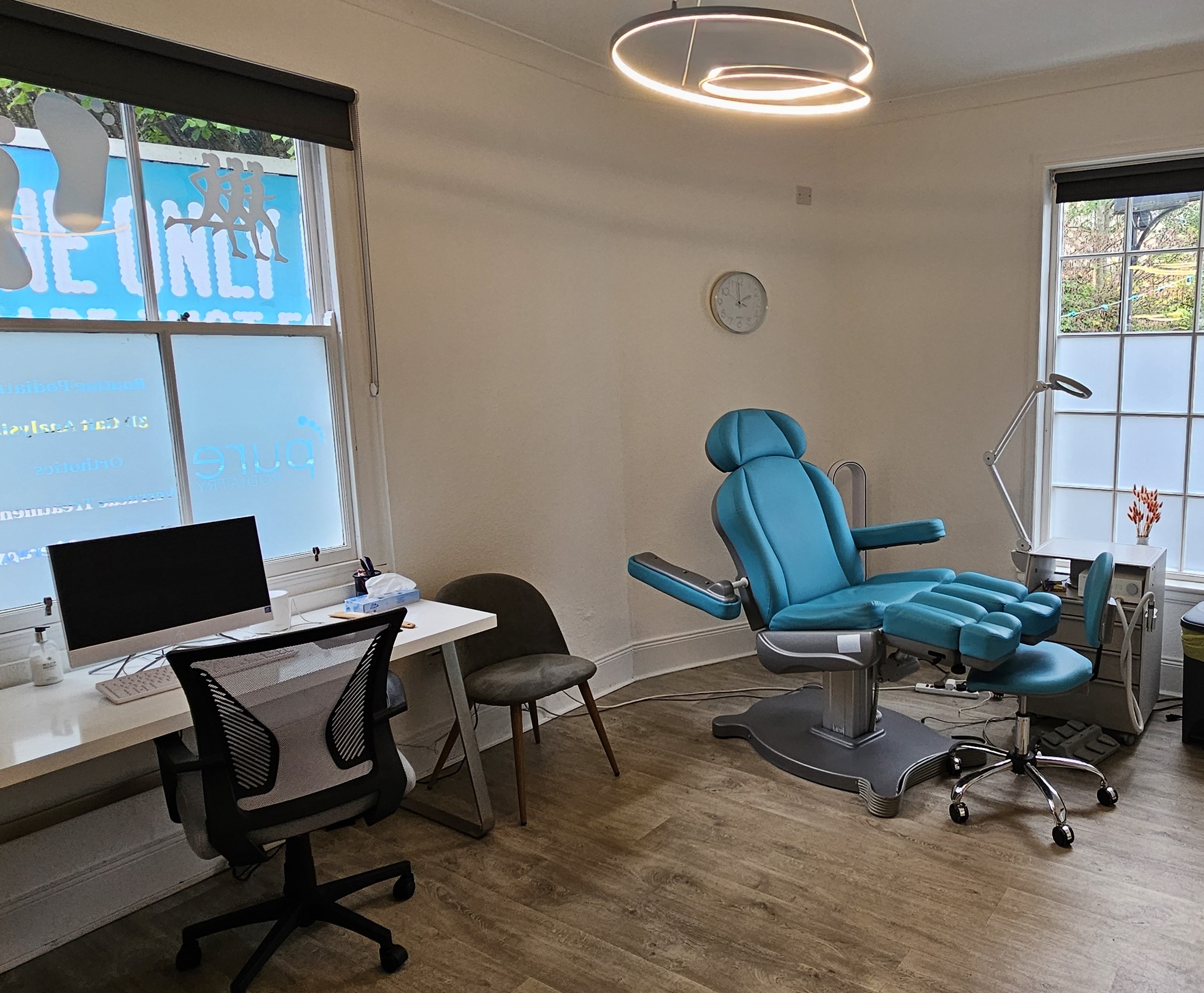
We assess what is causing your heel pain, then recommend the right treatment plan to help resolve your pain quickly.
Plantar fascia pain is a common cause of pain under the heel. It often feels worse with your first steps in the morning, after sitting, or after longer periods of standing or walking. We assess the likely cause first, then recommend the most suitable treatment plan.
Commonly felt under the heel or along the arch, especially with first steps, prolonged standing or increased activity.
Heel pain linked to running, walking, work demands, footwear changes or increased training load.
For heel pain that has not settled with rest, stretching, footwear changes or simple self-care.
Plantar fasciitis is common, but heel pain can have different causes. We check the painful area, your activity, footwear and loading first, so the treatment plan is matched to the problem.
%20(1).avif)
Where your symptoms and assessment fit with plantar fascia pain and there are no contraindications, shockwave therapy is commonly recommended as part of the heel pain treatment pathway. It is normally combined with rehabilitation and load advice rather than used in isolation.
Shockwave uses short pulses of acoustic energy delivered through a handheld applicator to the painful heel area. The aim is to stimulate the tissues, reduce pain sensitivity and support recovery when combined with the right loading, footwear and rehabilitation plan.
Identify the likely pain source and contributing factors.
Discuss shockwave suitability, rehab, footwear and activity changes.
Shockwave is usually delivered as a planned course when appropriate.
Progress is monitored and the plan adjusted if needed.
After your heel pain assessment, if shockwave is appropriate, the usual treatment pathway is a course of four sessions.

Shockwave can be useful, but longer-term recovery usually also depends on understanding the wider biomechanical picture. For long-term, persistent or activity-related plantar heel pain, a 3D gait assessment may be recommended to look more closely at walking or running mechanics, strength, flexibility and lower-limb function.
Heel pain care may involve one or more of the clinic’s specialist services depending on assessment findings and goals.
For plantar fascia cases where shockwave is clinically appropriate. A course of four sessions is commonly advised.
For persistent heel pain, unclear diagnosis, recurrent symptoms or cases needing a broader clinical review.
For long-term, persistent or activity-related plantar heel pain where walking or running mechanics, load and lower-limb function need deeper review.
For cases where footwear, loading support, calf capacity or foot function need a structured treatment plan.

No. Plantar fascia-related pain is common, but heel pain can come from other tissues or loading problems. Assessment helps identify the most likely cause.
Not automatically. However, where assessment supports a plantar fascia diagnosis and shockwave is suitable, a course of shockwave is commonly advised as part of the plan.
When shockwave is appropriate for plantar fascia pain, the usual course is four treatments at £70 per treatment.
No. Shockwave is usually most useful when combined with load management, calf and foot capacity work, footwear advice and activity modification where needed.
Persistent heel pain is usually better suited to a Specialist Foot & Ankle Assessment or dedicated heel pain assessment rather than a routine podiatry appointment.
Assessment helps identify whether plantar fascia-related pain is likely and whether shockwave, rehabilitation, footwear advice or further investigation is appropriate.