
Knee osteoarthritis
Stiff, aching knees can make walking, stairs and exercise difficult. We can discuss EMTT alongside strengthening and practical advice to help you manage your symptoms.
Explore knee and lower-limb care →EMTT at STEPS • Podiatry • Physio • Rehabilitation
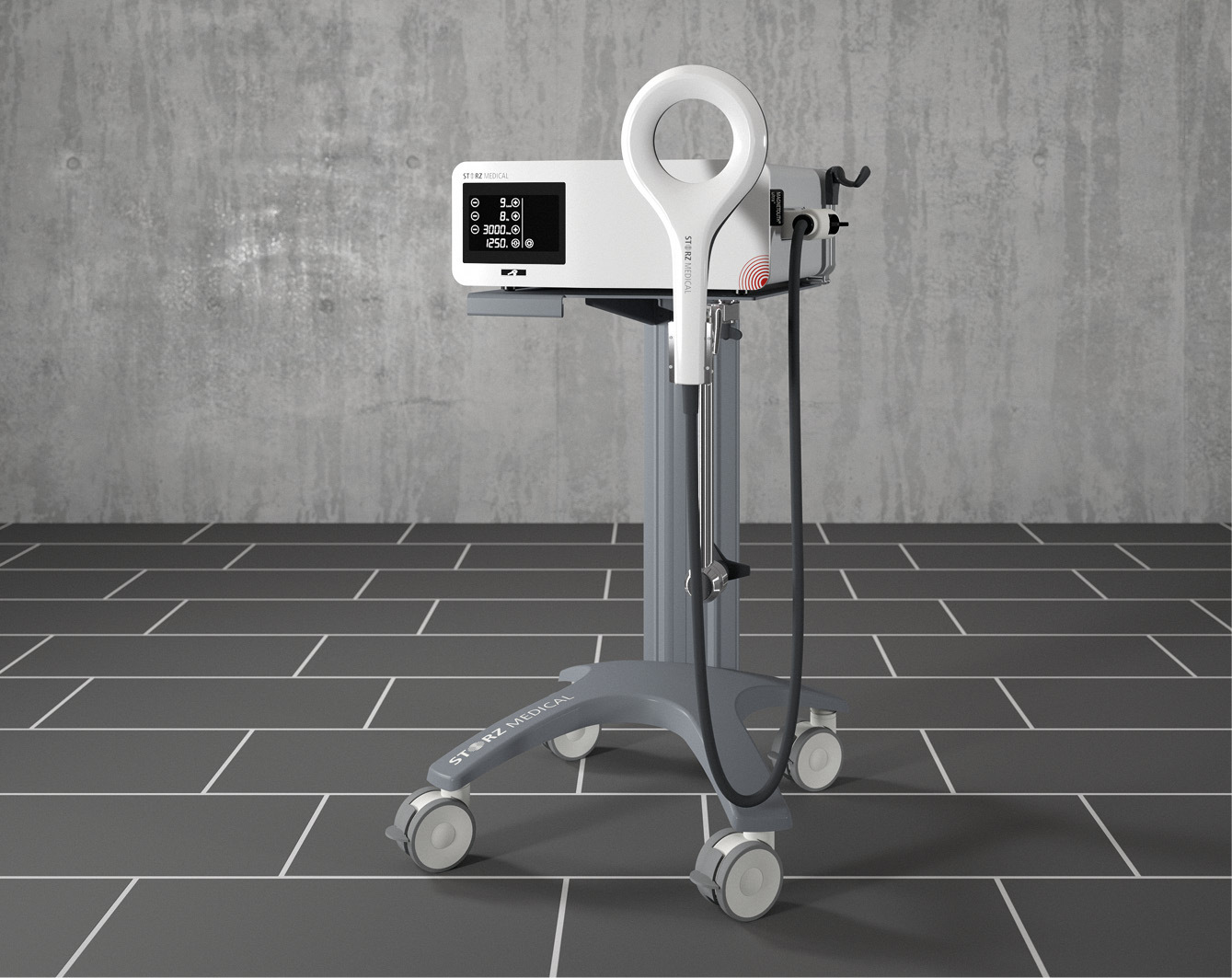
Now available at STEPSEMTT with the STORZ MEDICAL MAGNETOLITH ultra+ is now available at STEPS in Inverness.
When knee pain makes the stairs difficult, an Achilles problem keeps you from running, or a stubborn injury holds you back, it is time to explore your options. This high-energy magnetic pulse therapy is a non-invasive option that may be considered alongside appropriate assessment and rehabilitation, following a clinical assessment of your symptoms and suitability.
About EMTT
EMTT delivers focused, high-energy electromagnetic pulses to a selected treatment area, without the mechanical impact of shockwave therapy.
Using a specially designed applicator, the MAGNETOLITH ultra+ delivers magnetic pulses from outside the body. It can be considered for certain persistent musculoskeletal problems, either on its own or as part of a wider treatment programme that may involve physiotherapy, rehabilitation or shockwave treatment.
When pain gets in the way
If pain is making walking, exercise or sport difficult, we can assess your symptoms and talk you through your options.
Stiff, aching knees can make walking, stairs and exercise difficult. We can discuss EMTT alongside strengthening and practical advice to help you manage your symptoms.
Explore knee and lower-limb care →When tendon pain keeps you from running, sport or everyday activity, we can discuss EMTT alongside a rehabilitation plan built around your goals.
Explore sports injury care →Heel pain and painful foot joints can make every step uncomfortable. We assess the cause and talk you through treatment options for your needs.
Explore heel pain assessment →Meet the technology
Advanced magnetic pulse technology, designed around patient comfort and flexible treatment.
The MAGNETOLITH ultra+ is designed to allow clinicians to adjust treatment settings for individual needs and comfort.
The handpiece can be guided by the clinician or positioned with a support arm. You can usually keep your clothes on, making treatment straightforward and discreet.
See the MAGNETOLITH ultra+ manufacturer information →
What to expect
Tell us where it hurts, what makes it worse and what it stops you doing. We will ask about your health and any treatment you have already tried before deciding on the next step.
If EMTT is appropriate for you following assessment, the clinician can position the applicator near the treatment area while you sit or lie comfortably. Most people can remain clothed. A typical application takes 5–20 minutes.
We explain the proposed course of treatment, costs and any rehabilitation advice. We check progress against the things you want to do more comfortably.
How EMTT and shockwave differ
Both are non-invasive technologies, but they work in different ways.
Shockwave therapy delivers mechanical acoustic energy. EMTT delivers pulsed electromagnetic fields. Your clinician will explain which treatment, or combination of treatments, fits your care plan.
Discover our sports injury and rehabilitation service →Common questions
EMTT is generally designed to be comfortable. Some people notice pulsing or transient discomfort, and mild redness or soreness can occur. Tell your clinician how you feel throughout your treatment.
Usually not. The magnetic pulses can be delivered through clothing, and the handpiece is placed close to the treatment area.
The manufacturer describes short applications, often over a course of visits. Your clinician will discuss a proposed schedule and the review point for your particular condition before starting.
Yes, EMTT can be considered alongside exercise-based rehabilitation or shockwave therapy when clinically appropriate. Your treatment plan will be built around your symptoms and goals.
EMTT is not suitable for everyone. Manufacturer guidance excludes treatment in pregnancy and for people with pacemakers or other implanted electronic systems, and places restrictions on certain implants and treatment locations. We complete a safety assessment before treatment.
EMTT is now available at STEPS. We recommend an initial clinical assessment to check the diagnosis, safety and suitability before deciding whether EMTT forms part of your treatment plan. Contact the clinic for treatment options, current availability and fees. For foot and ankle problems, you can also book a Specialist Foot & Ankle Assessment; for knee and wider lower-limb problems, a Physiotherapy Assessment may be a suitable starting point.
EMTT at STEPS Inverness
If knee pain, tendon pain or a sports injury is making walking, exercise or sport difficult, contact us to discuss your options.